From Macro-Diversity to Microbial Insights: Ms Stephanie Lawrence Represents the University of the Western Cape in Norway.
Author: Ms Stephanie Lawrence. Published: 11 March 2026.
Ms Stephanie Lawrence, Biobank Technical Officer at the Institute for Microbial Biotechnology and Metagenomics (IMBM), was one of only six South Africans selected to attend the BioDATA Advanced Course at the Biological Station in Drøbak (Norway), 3 to 14 November 2025. The Course is part of an international programme, coordinated by the University of Oslo, supported by the Global Biodiversity Information Facility (GBIF) and funded by the Norwegian Agency for International Cooperation and Quality Enhancement in Higher Education (DIKU). This prestigious collaborative initiative between the Norway GBIF, the Natural History Museum of the University of Oslo, and the South African National Biodiversity Institute (SANBI) GBIF offers training in biodiversity data management, publishing, and molecular monitoring for students in Norway and South Africa. The BioDATA Advanced DNA Wet Lab and Bioinformatics Training Course specifically aimed todevelop capacity in Biodiversity Informatics areas, and offered an intensive “field-to-data” deep dive into environmental DNA (eDNA) research workflows.
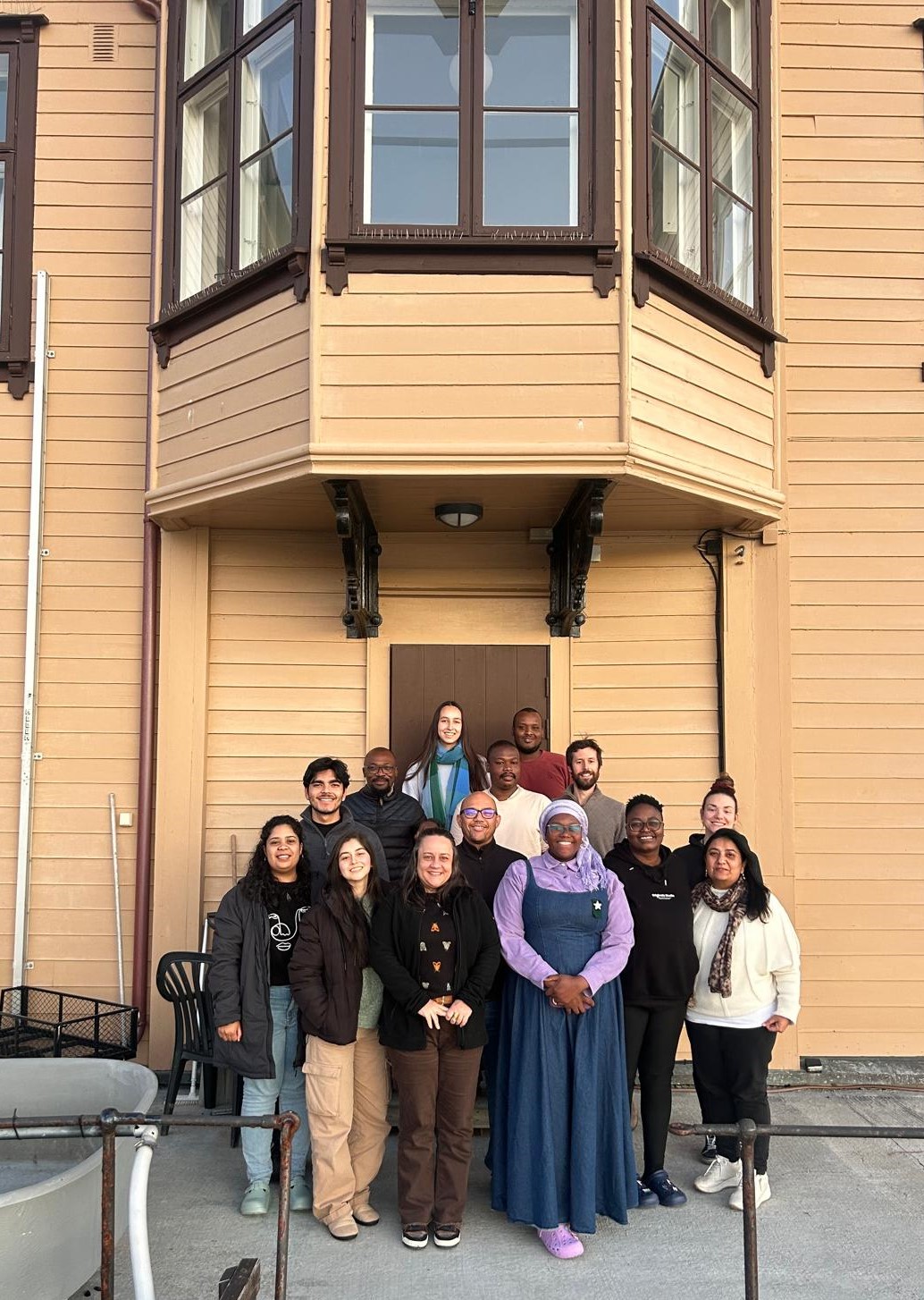
While IMBM is nationally recognised for its expertise in eDNA workflows and sequencing, the course provided Ms Lawrence with an opportunity to expand her skill set and to implement environmental DNA (eDNA) approaches to profile unculturable microbial communities and obtain a more holistic understanding of biodiversity within these environments. It is well-known that culture-based methods only capture a fraction of the microbial diversity.
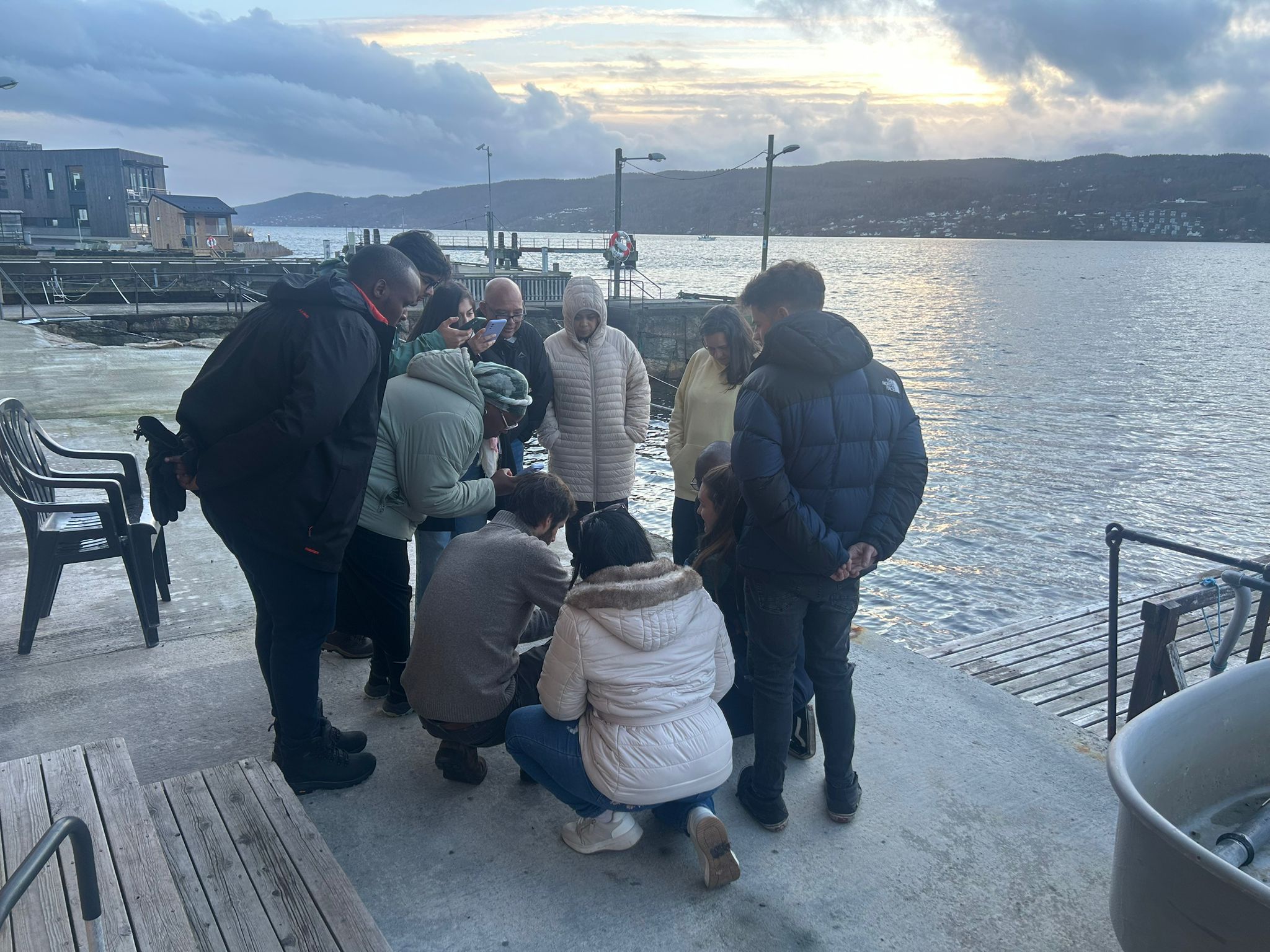
Over the course of two weeks, the activities prioritised immersive, hands-on training over traditional classroom learning, and presented a unique opportunity to gain experience with eDNA sampling, different DNA library preparation chemistries, and downstream bioinformatics analysis. A significant highlight was the sample collection conducted at the Drøbak Aquarium and in the Oslo Fjord, a 100–120 km long scenic inlet in south-eastern Norway stretching from Oslo to the North Sea. The Oslo Fjord is currently under a strict fishing ban to protect its declining cod populations. From a conservation perspective, this experience highlighted the power of eDNA as a non-invasive tool for understanding species diversity. In fragile ecosystems, where traditional sampling methods may be too disruptive or where species are too rare to observe directly, eDNA acts as a “genetic witness,” allowing researchers to monitor biodiversity and population trends without needing to capture organisms.
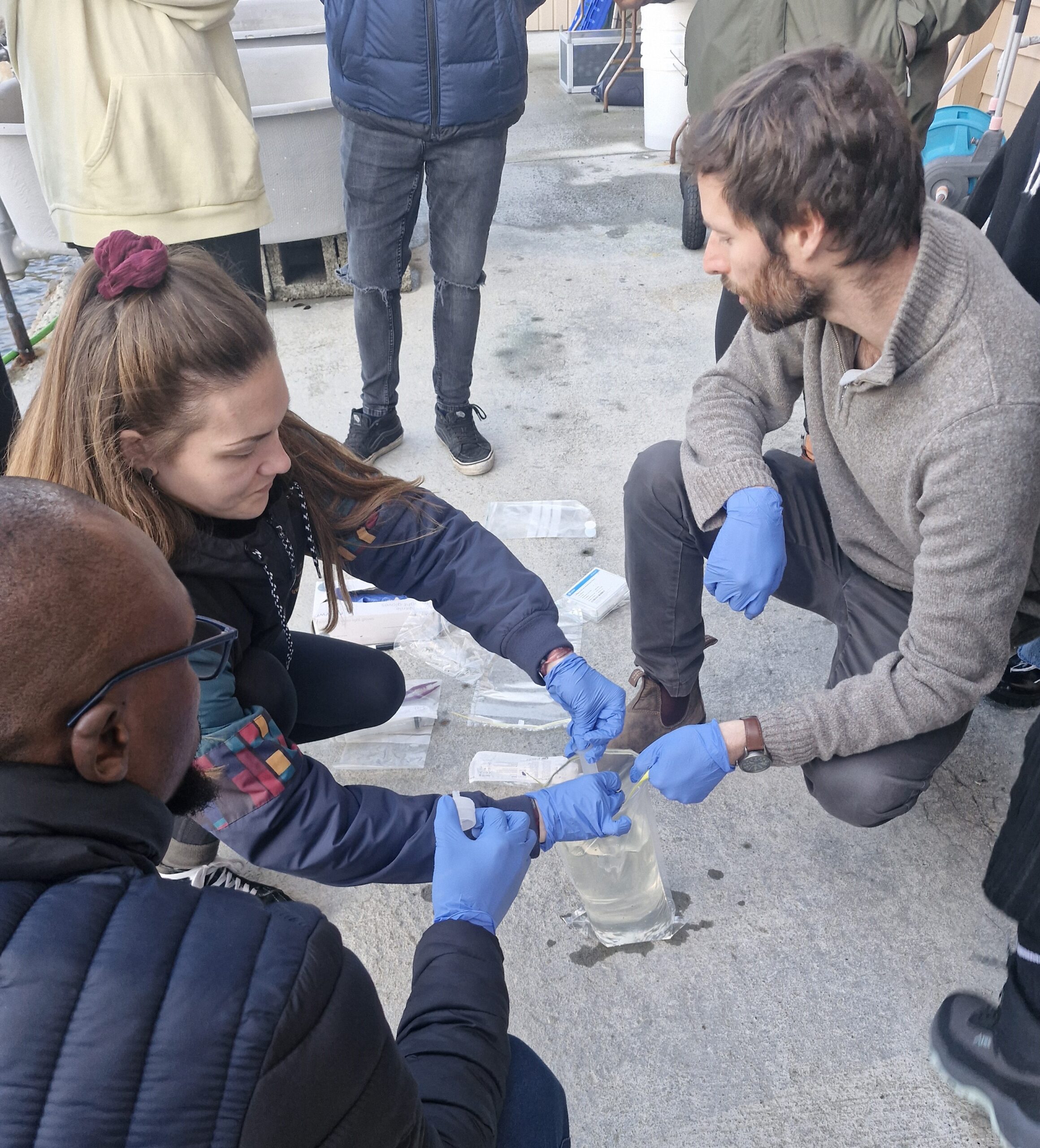
Through this process, Ms Lawrence gained exposure to the molecular workflows required for eDNA sequencing using Oxford Nanopore Technologies, as well as the bioinformatics pipelines needed to transform raw sequencing data into informative and value-added outputs. She was introduced to Oxford Nanopore Technologies (ONT) workflows for eukaryotic metagenomic DNA library preparation, including the advantages of multiplexing, using two primer sets alongside ONT barcodes. She also gained hands-on experience with the Bento Lab Pro, which consist of a PCR thermocycler processing up to 32 samples, centrifuge, gel electrophoresis and transilluminator in one portable unit. This capacity allowed the team to include replicates from multiple sampling sites and test different primer pairs within a single sequencing run. In addition, Stephanie received training in demultiplexing sequencing data and using RStudio to analyse and visualise outputs.
Beyond the laboratory, the programme included an eDNA Symposium focused on the intersection of biodiversity monitoring and regulatory policy. The sessions explored cutting-edge applications, such as using soil eDNA to assess plant diversity and validating airborne eDNA approaches to monitor terrestrial vertebrates.
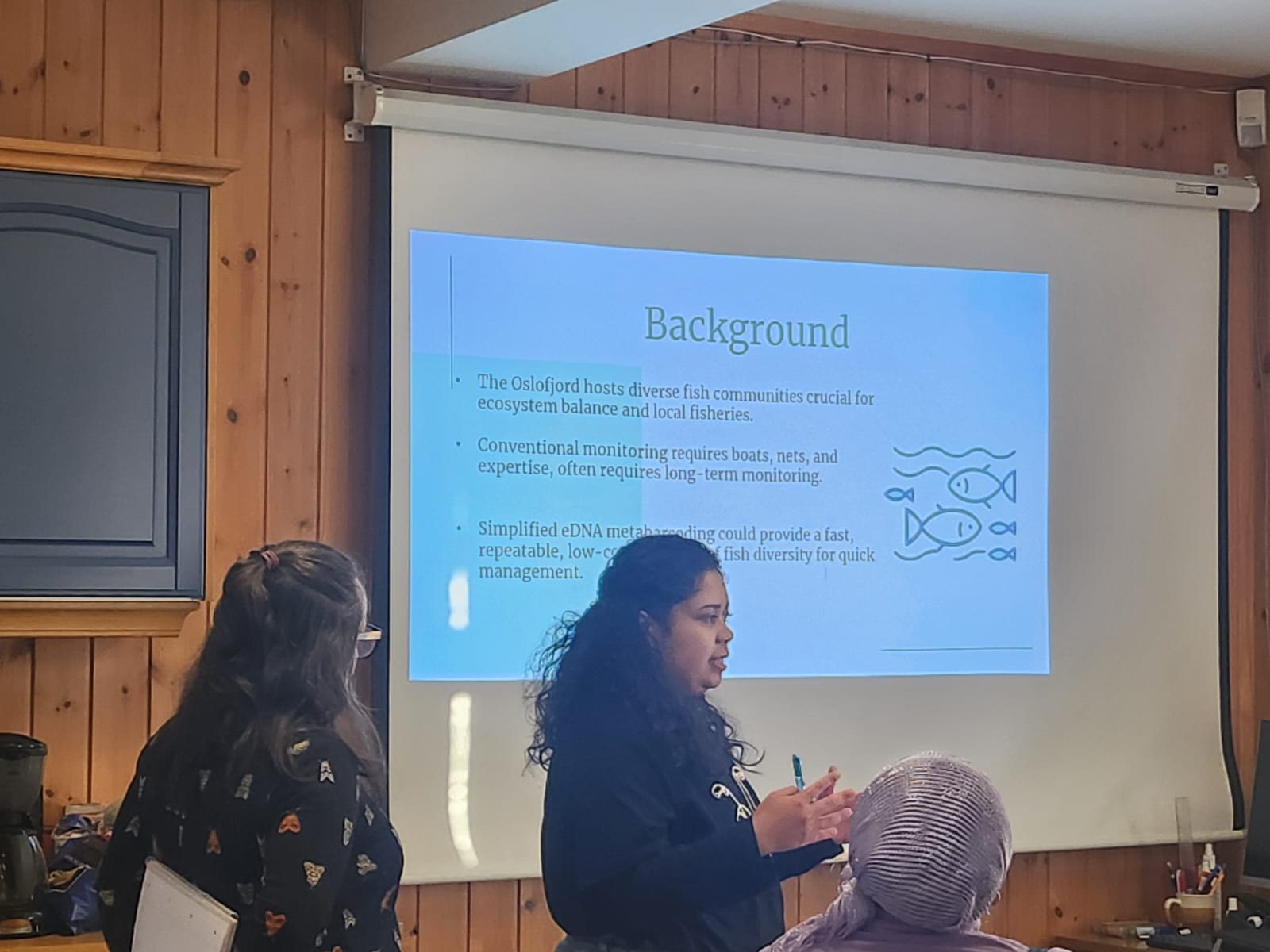
The course provided Ms Lawrence with an opportunity for professional development, but also equipped her to take on a more prominent leadership role in expanding the IMBM Biobank’s offering. Her understanding of how metabarcoding and eDNA methodologies can be integrated to better understand and preserve biodiversity, will expand the scope and quality of the metadata of the IMBM Biobank collection, and also generate new avenues for genome mining and biodiversity research. According to Prof Marla Trindade, IMBM Director, Ms Lawrence’s newly acquired skills not only strengthens her technical competencies but also support IMBM’s broader mission to democratise access to advanced genomic tools and build national capacity in biodiversity research.
For Ms Lawrence, the experience was transformative. “It reshaped my perspective on data interpretation, encouraging a more critical approach to analysis and the ability to view scientific insights from multiple angles”. Reflecting on the experience, she emphasised the value of the dedicated environment the course created, “The training was like a bootcamp-style retreat. It gave me the rare space to focus entirely on data analysis and to think creatively about scientific questions.” She adds that beyond the technical skills gained, solidified her confidence in navigating complex datasets. Dr Anita Burger, IMBM Biobank Manager, stated “Ms Lawrence plays a key role in the growth and success of the IMBM Biobank, and this training opportunity both celebrated her achievements to date but also provided her with an opportunity to invest in her professional and personal growth”.
This collaborative learning environment was fostered by expert facilitators from South Africa and Norway, “whose guidance helped turn complex technical challenges into opportunities for meaningful growth”, Ms Lawrence stated. The facilitators included Dr Fatima Parker-Allie (Deputy director: Biodiversity Informatics and Partnerships; SANBI GBIF Node Manager and Africa Regional Representative), Dr Morne du Plessis (Senior Lecturer: Genetics, University of the Free State), Dr Quentin Mauvisseau (Researcher: Natural Museum, University of Oslo), and Prof Hugo de Boer (Research Director: Natural Museum, University of Oslo; Vice-Chair Norway GBIF).
Since the IMBM Biobank also serves as a training hub for postgraduate students and interns, Ms Lawrence will be incorporating eDNA and different ONT workflows into the training programme. This will not only enhance the IMBM’s internal capacity but also contribute to national efforts in biodiversity education and research development.
The two weeks however also provided opportunities for new personal experiences and times of fun and laughter, in particular exploring Norway’s scenic landscape and the cultural exchanges between the South African and Norwegian participants. Ms Lawrence fondly recalls the evenings at the field station overlooking the Oslo Fjord, where cruise ships could occasionally be seen passing through the inlet, where the team often spent cooking and sharing meals together. Participants introduced dishes from their own backgrounds, including South African, Colombian, Kenyan, and Portuguese cuisine. These gatherings, often followed by card games and conversation, fostered a strong sense of camaraderie among the group and helped establish lasting professional connections.